The book was put together at the initiative of the Eastern-Ukrainian Center of Civic Initiatives” (EUCCI), a non-governmental organization that has been documenting gross human rights violations related to Russia's war against Ukraine since 2014.
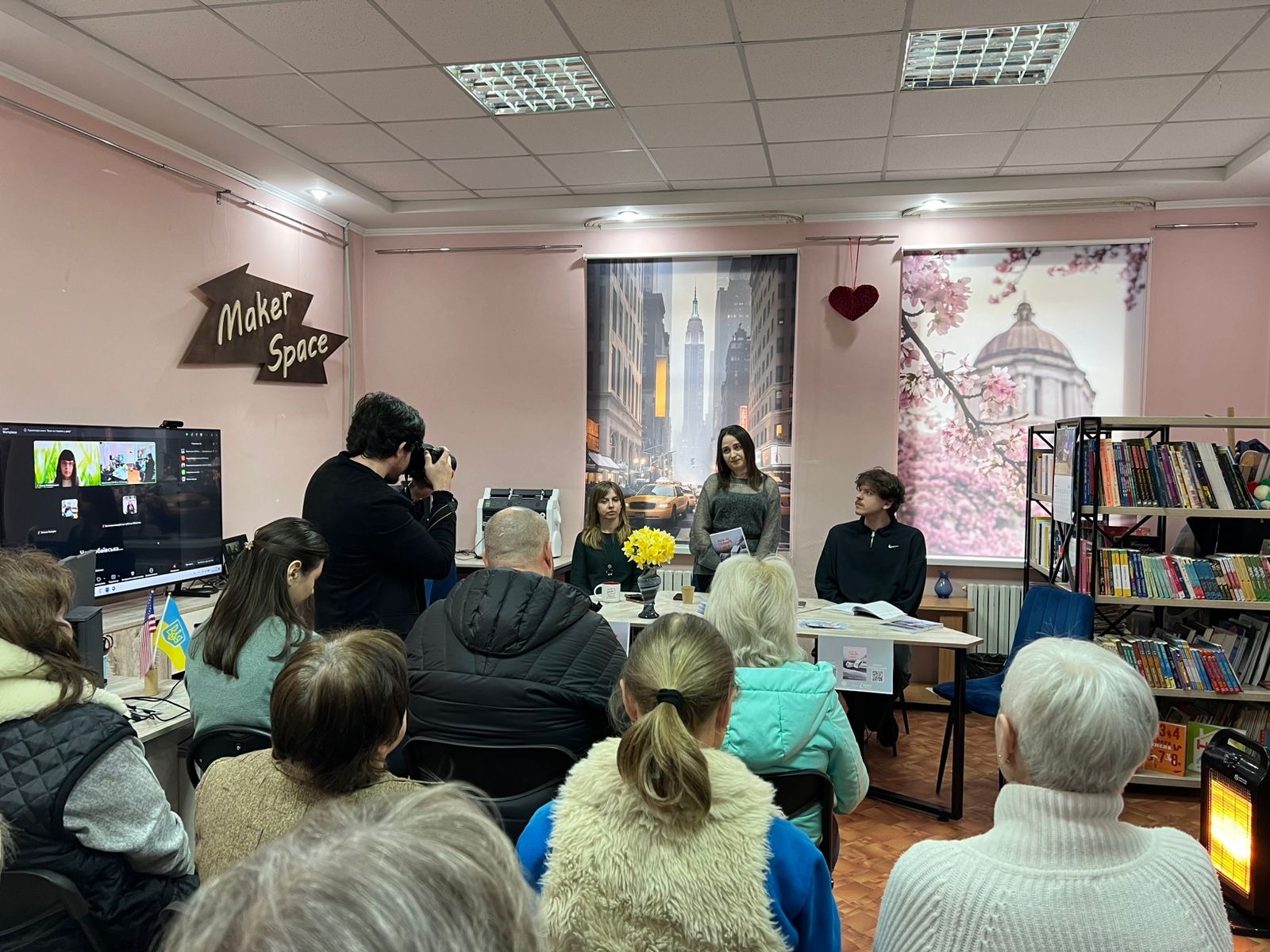
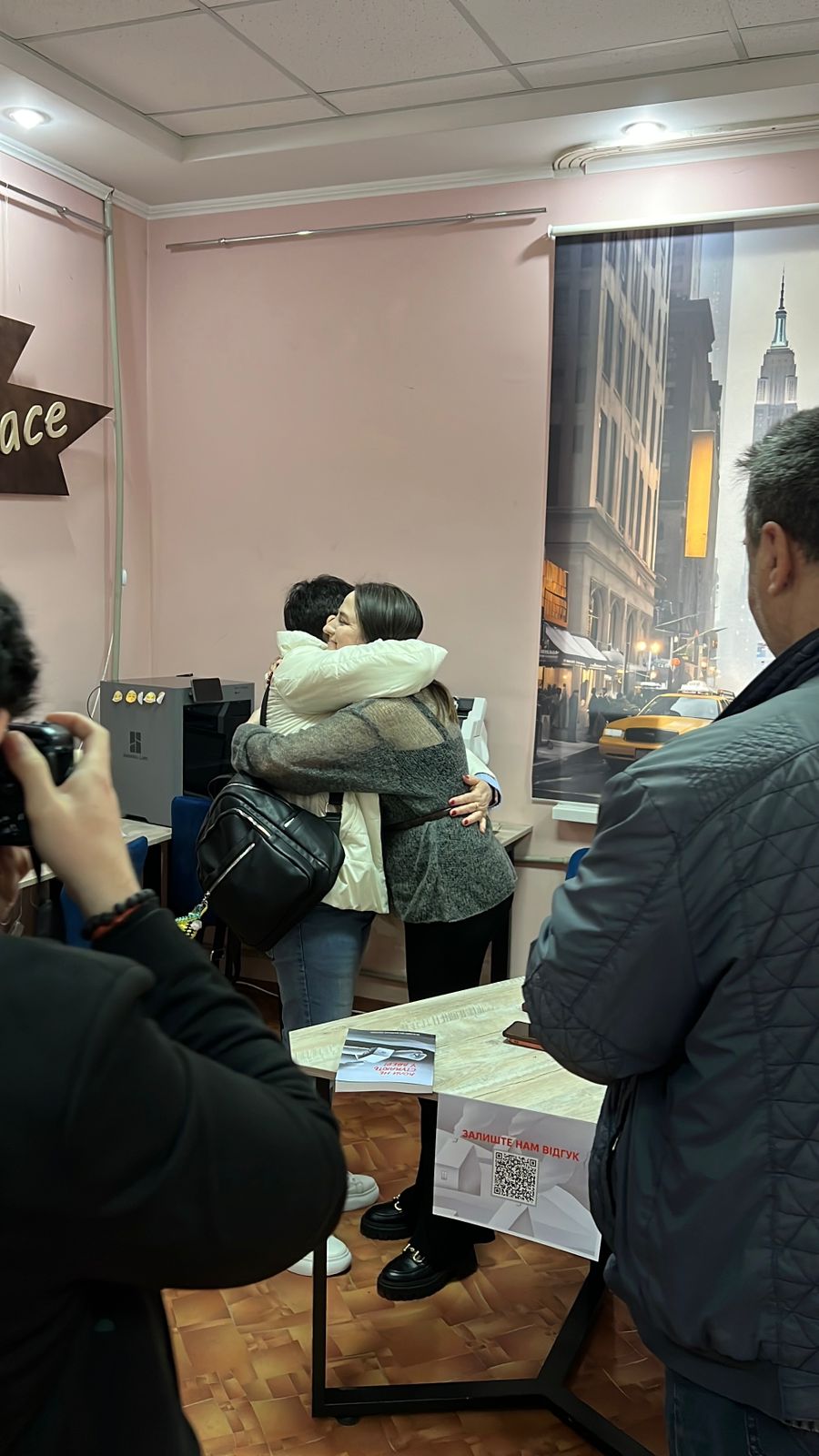
On April 8, the presentation of the book “Uninvited”, a collection of twenty-five eyewitness stories of the Russian occupation of Ukraine, was organized in Kherson.
The event took place in the city that itself has become a symbol of resistance and survival.
“The book contains twenty-five stories about the Russian occupation… they were written by eyewitnesses – people of various professions, different ages… but what links these narratives is the pain and the strength to talk about it,” said Maryna Suprun, a representative of the Eastern-Ukrainian Center of Civic Initiatives.
An important thing is that none of the authors are professional writers. They are ordinary people who had some storytelling training that enabled them to describe their own experiences from the first days of the invasion to evacuation, their lives under occupation and their losses.
There was no need to explain to the audience what occupation was - most of those present had experienced it themselves.
Anastasia Kozak, one of the book authors who wrote about her life in occupied Kherson, directly addressed the audience:
“We didn’t come here to tell you about the occupation. You know about it more than we do… any one of us could write this book.”
At the launch, authors read excerpts from their stories describing the everyday reality of the occupation. Anastasia recalled the first weeks of the invasion when food disappeared in the city:
“We didn’t have sausages… nothing at all. All we had were canned beans and canned zucchini puree… I don’t think I’ll ever want to have a taste of them again.”
She also talked about the evacuation:
“Twenty-one hours to Mykolaiv… Eight Russian checkpoints. Each stop is a gamble: will they or will they not kill us?”
And about the fear that had remained with her long after the escape:
“I was most afraid of a knock on the door… sometimes they just cut doors out.”
Ivan Zalohin, one of the co-authors, shared a story from Luhansk in 2014. His story was about his lost home, his childhood, and the transformation of the city.
Valentyna Fedorchuk, another author, from Kherson, confessed:
“This was probably one of the most difficult presentations for me… talking to people who themselves have survived those events was even more difficult.”
She added that for her, the book presentation was also personal, because her daughter, the protagonist of her story, was in the audience.
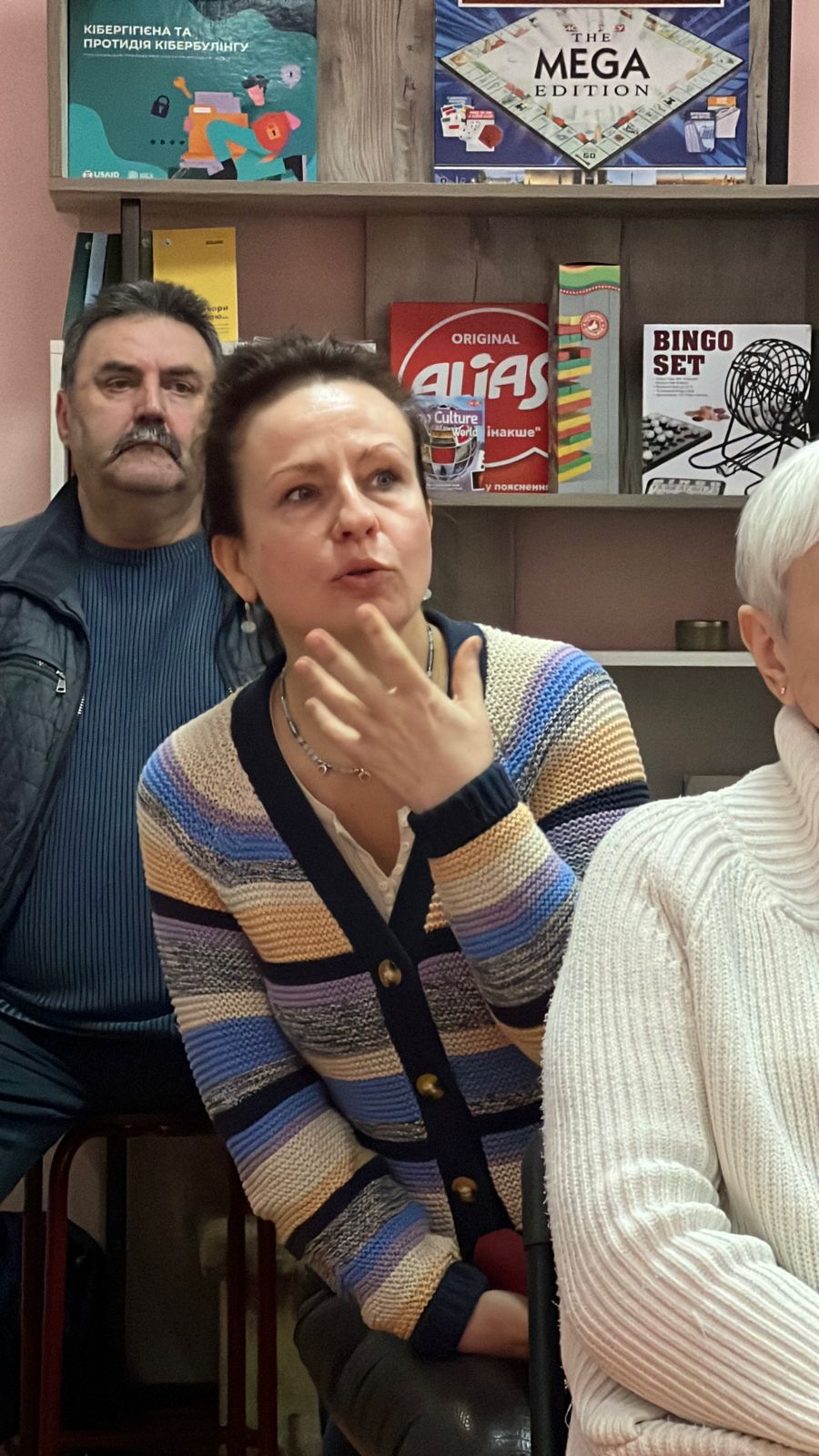
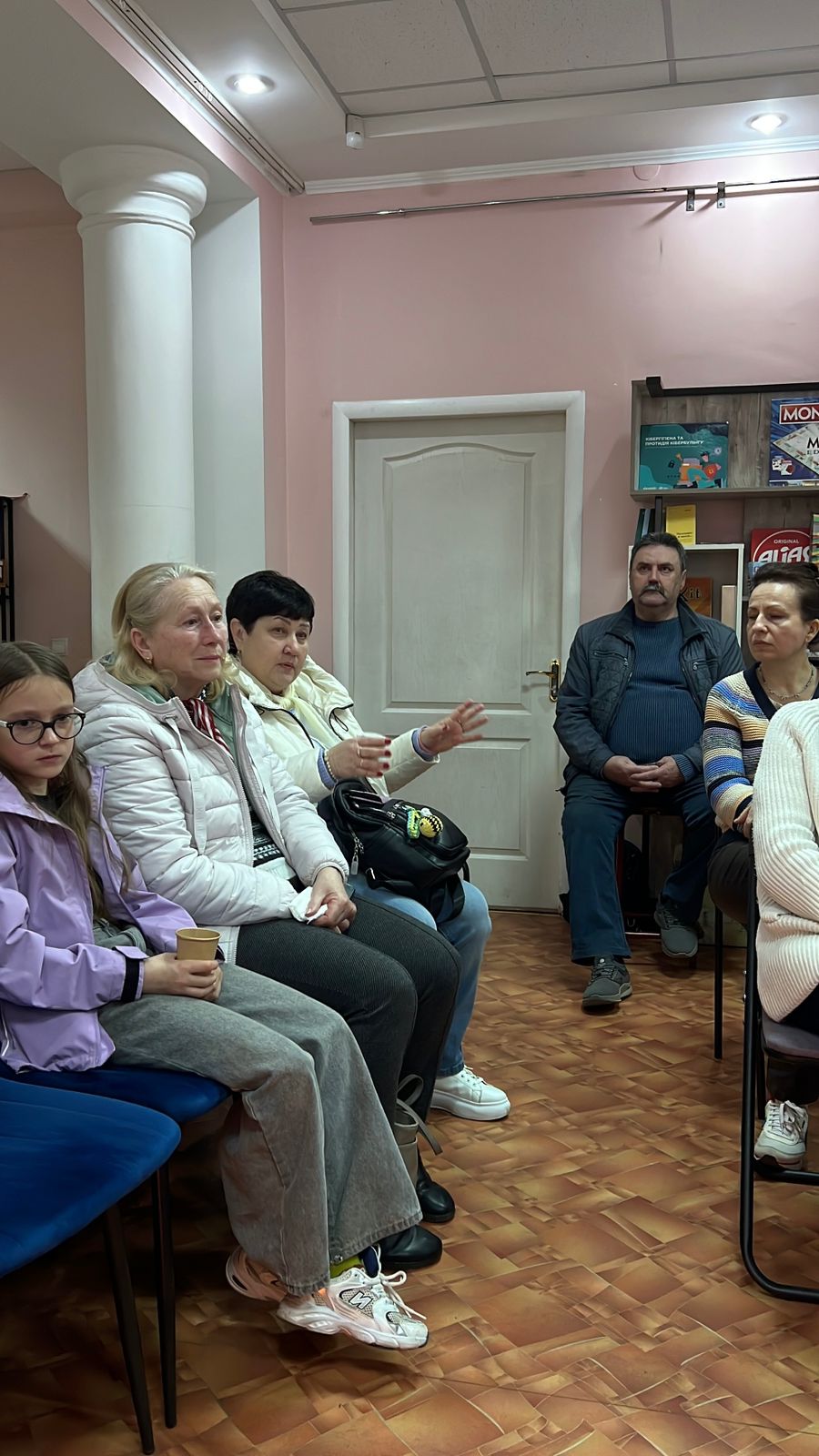
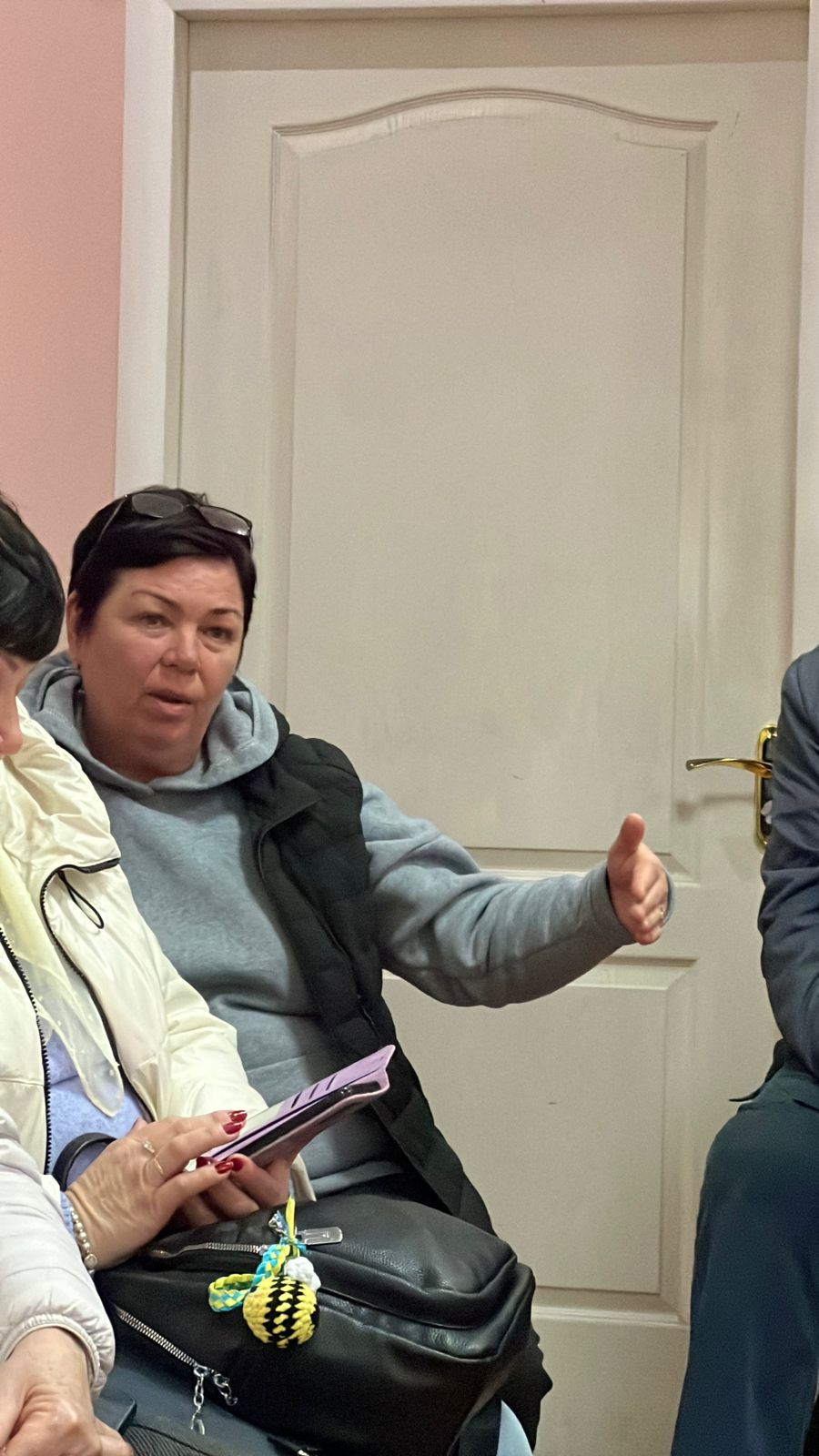
At the same time, the book sparked a lively discussion among the participants:
“The fact that the book was written by eyewitnesses, rather than professional authors, emphasizes that any experience of occupation is important and cannot be devalued.”
People in the audience shared their own stories, often no less painful than those included in the book:
“A drone hit my house… a neighbor was blown to pieces… bodies were lying on the roads, with no one to pick them up.”
The devaluation of the occupation survivors’ experiences was another topic of discussion:
“They ask: were you tortured? No? Oh, then we are not interested in you…”.
One of the key questions raised during the meeting was: why talk about the trauma again and again?
The authors' answer was unequivocal:
"The more we talk about it, the more people will hear... about those who are not talked about, those who are forgotten."
.jpeg)
.jpeg)
.JPG)
This book was prepared as part of the project "Strengthening Civil Society for the Transformation of Memory Culture – Non-Violent Efforts to Counter Russia's War Against Ukraine" by the Eastern Ukrainian Center of Civic Initiatives, with the support of "KURVE Wustrow - Center for Training and Networking in Nonviolent Action" within the framework of the "Civil Peace Service" program (CPS).
