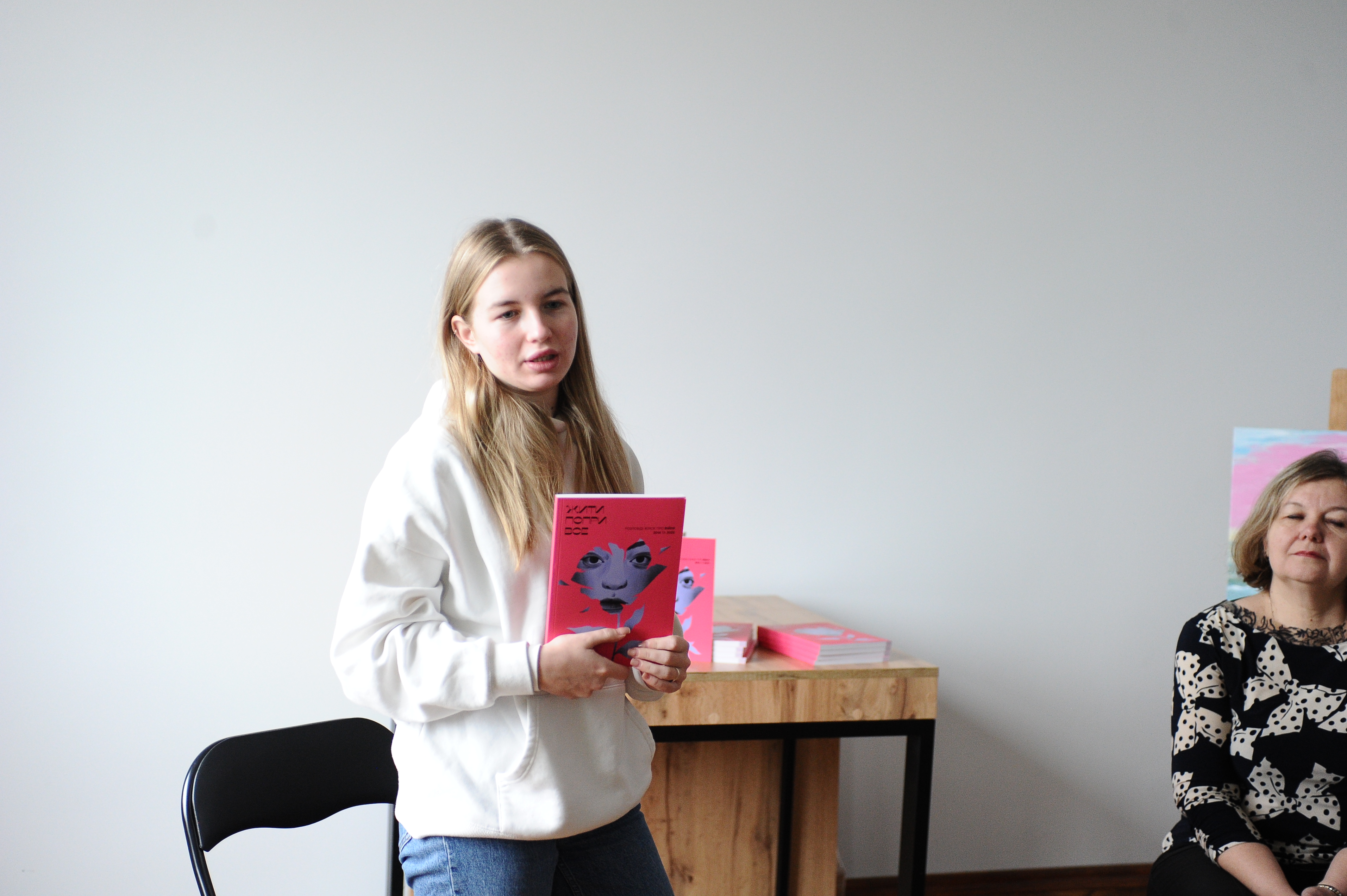
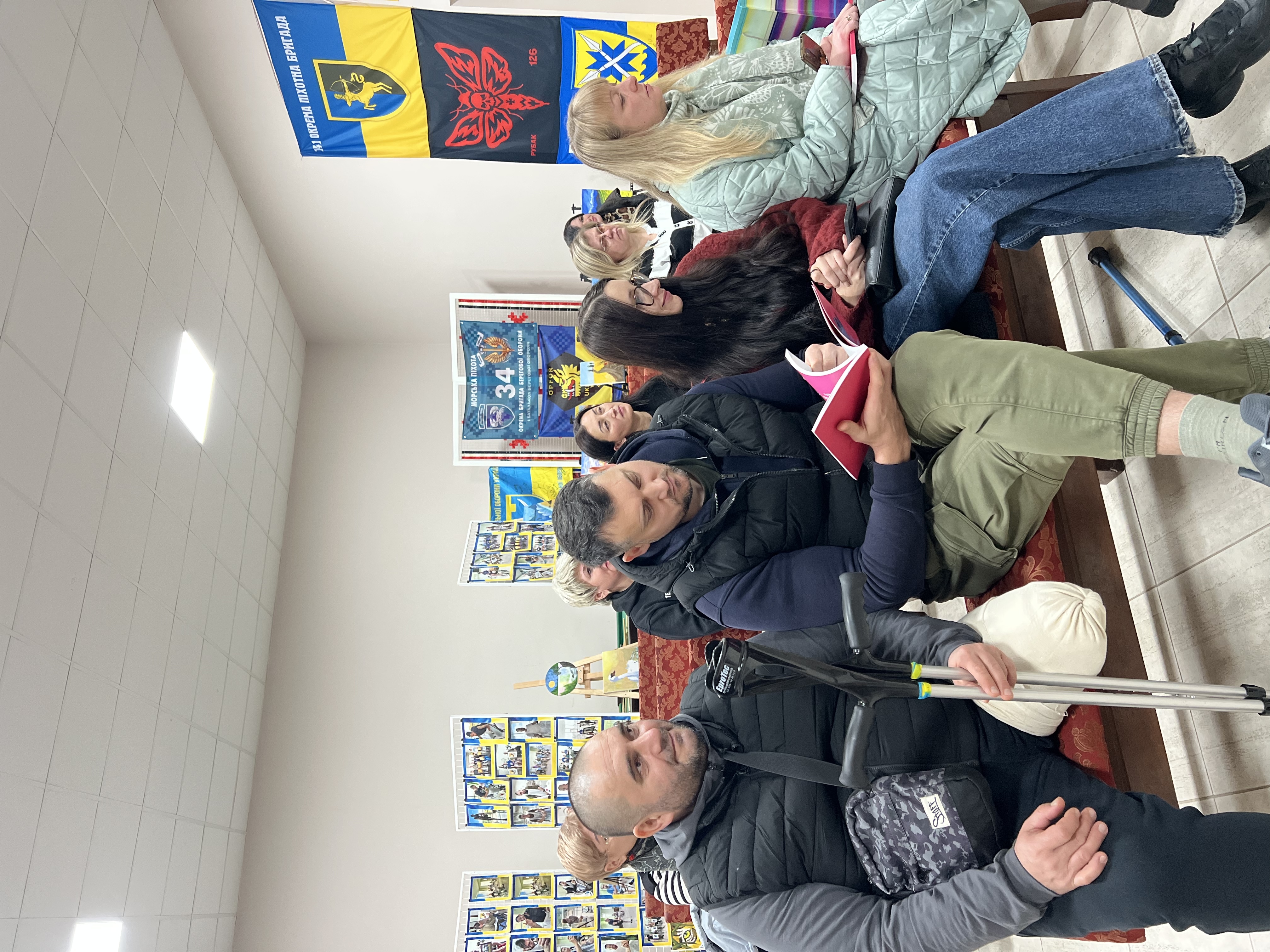
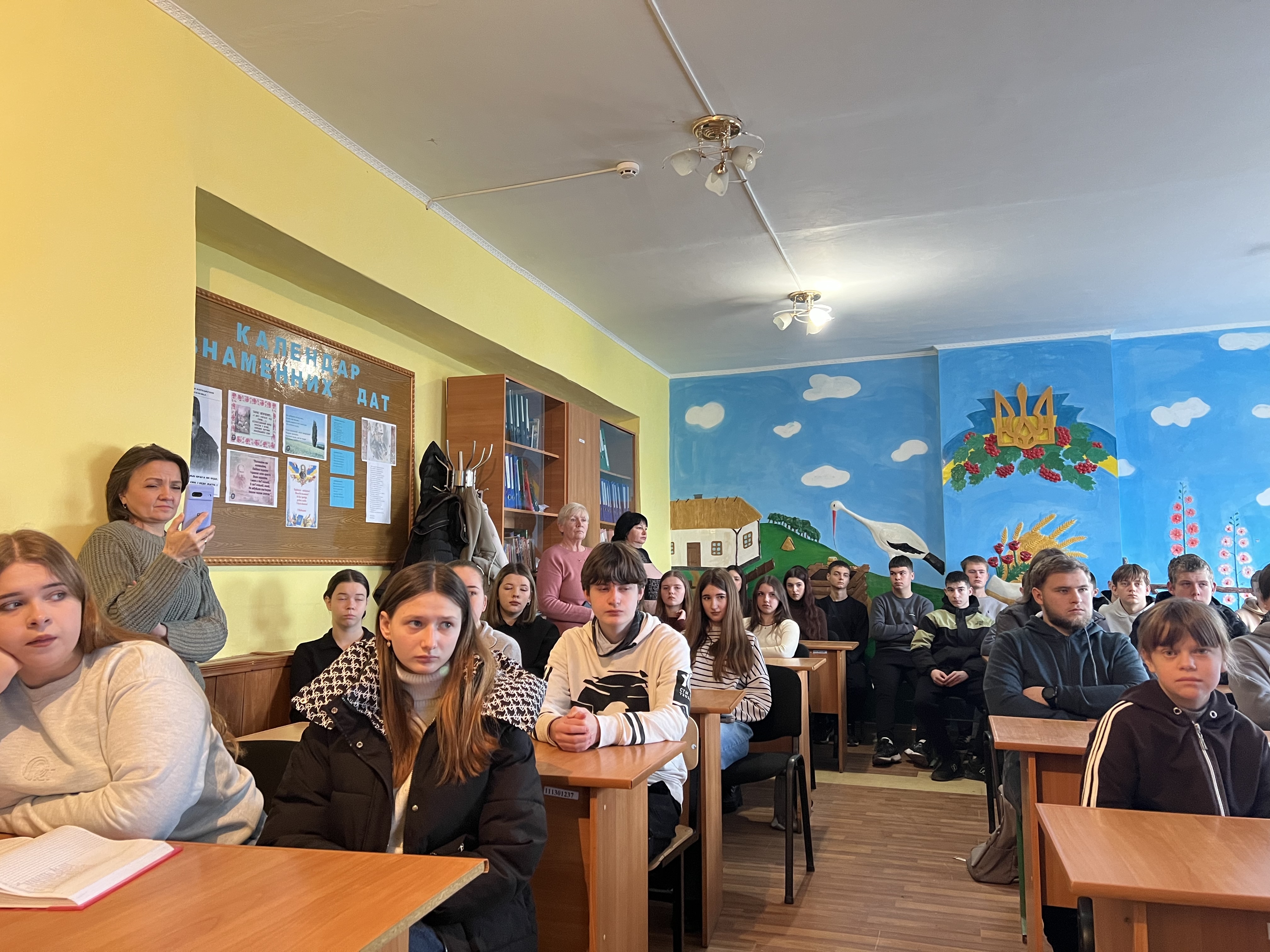
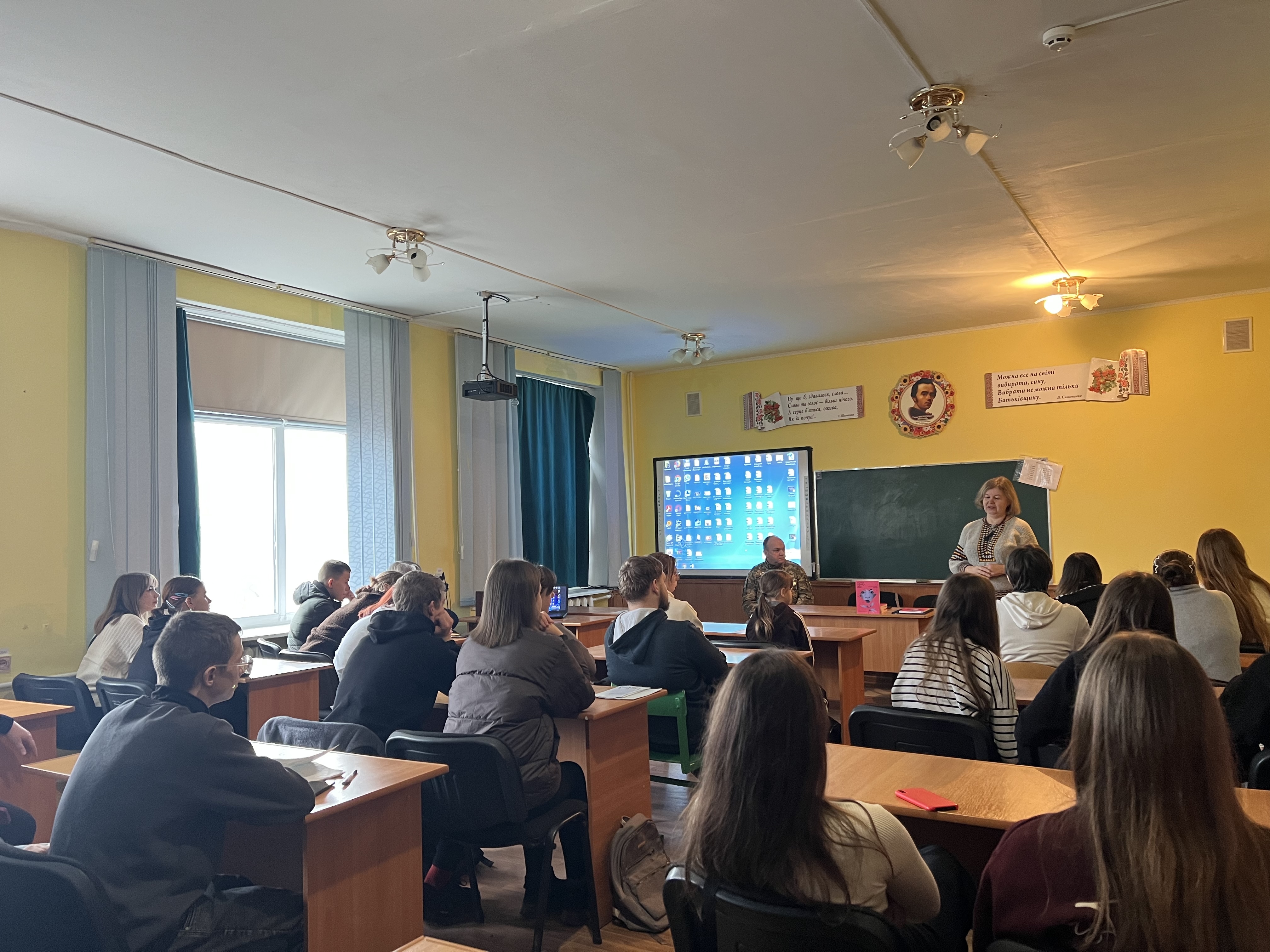
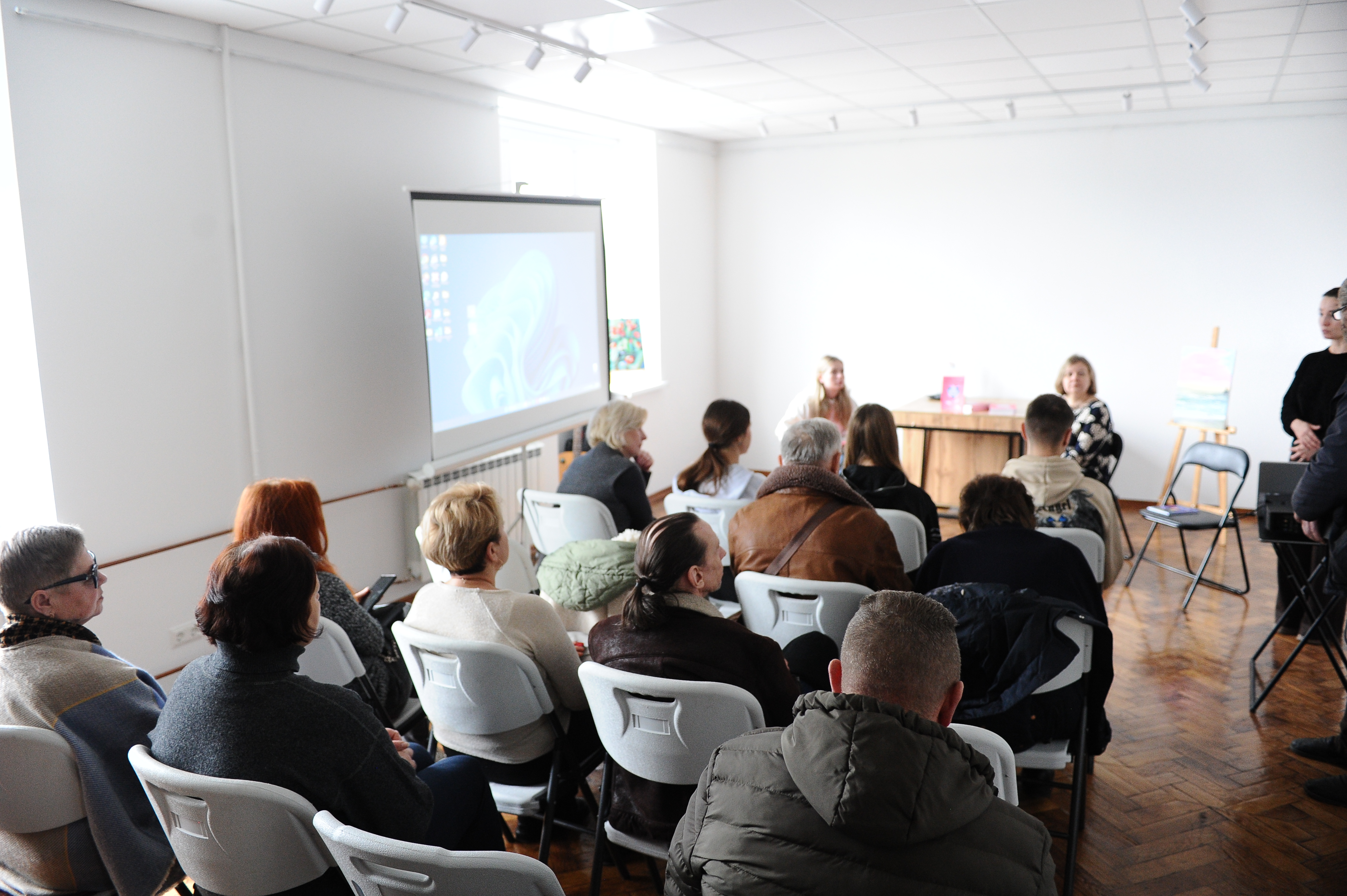
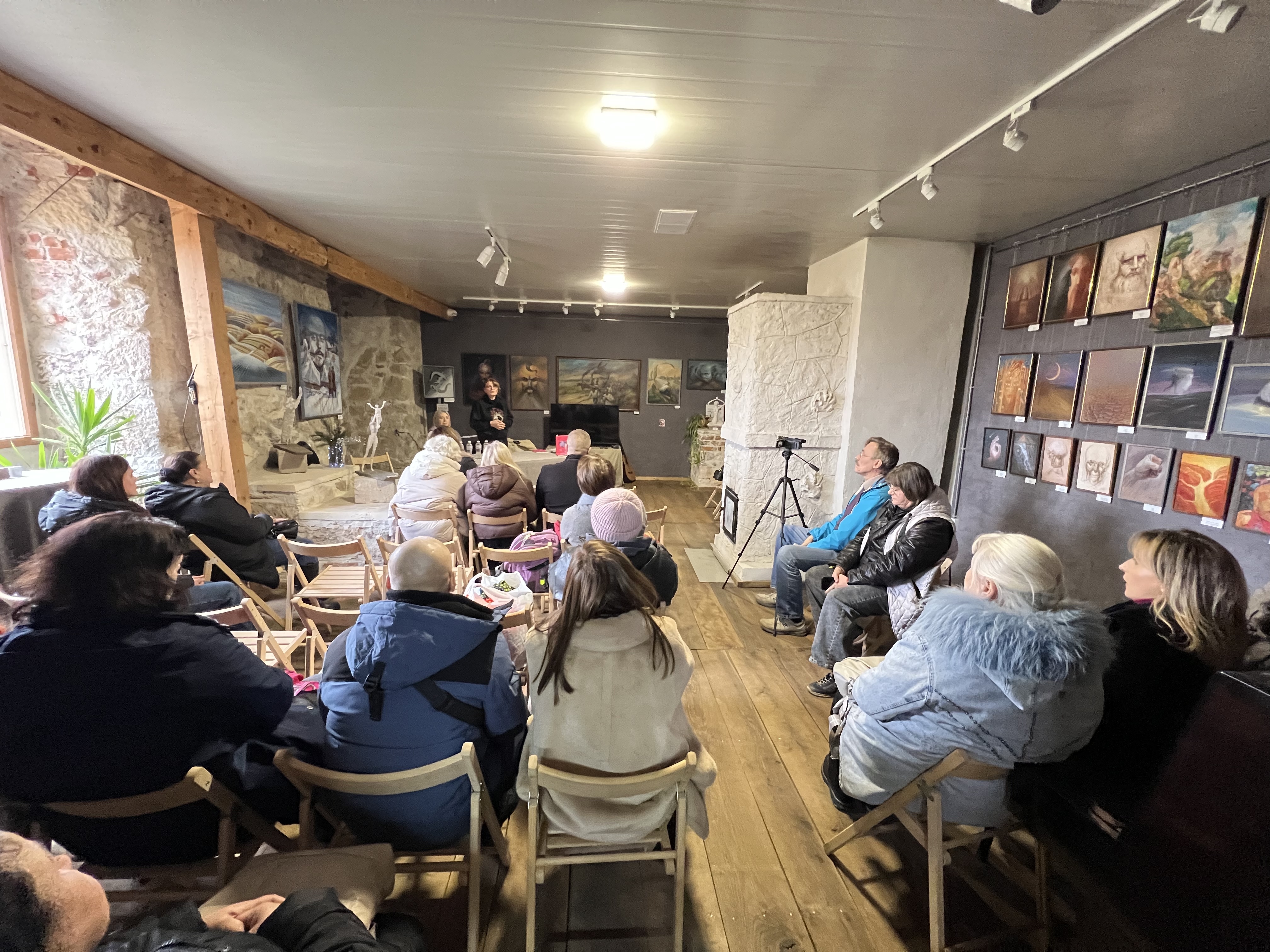
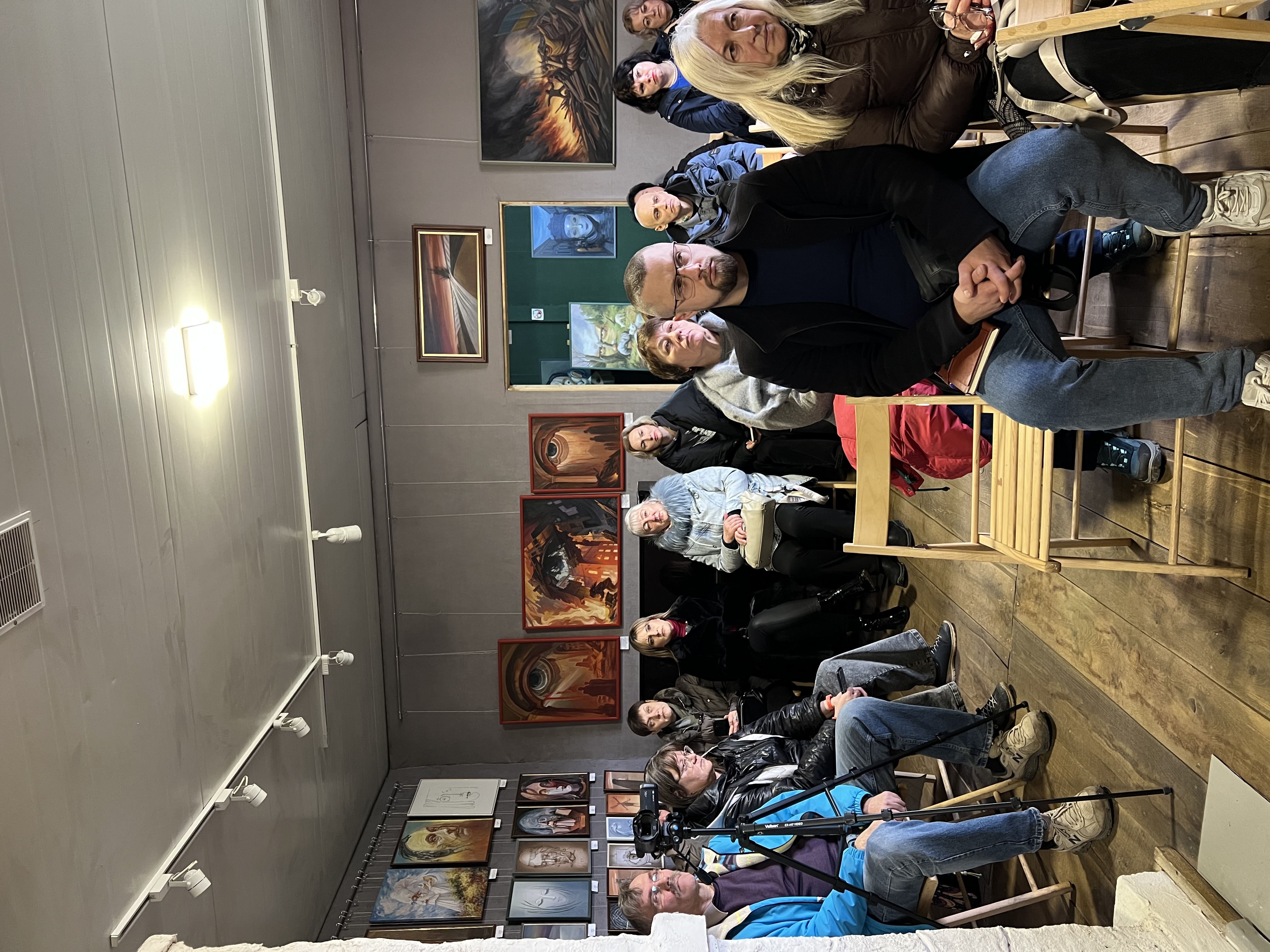
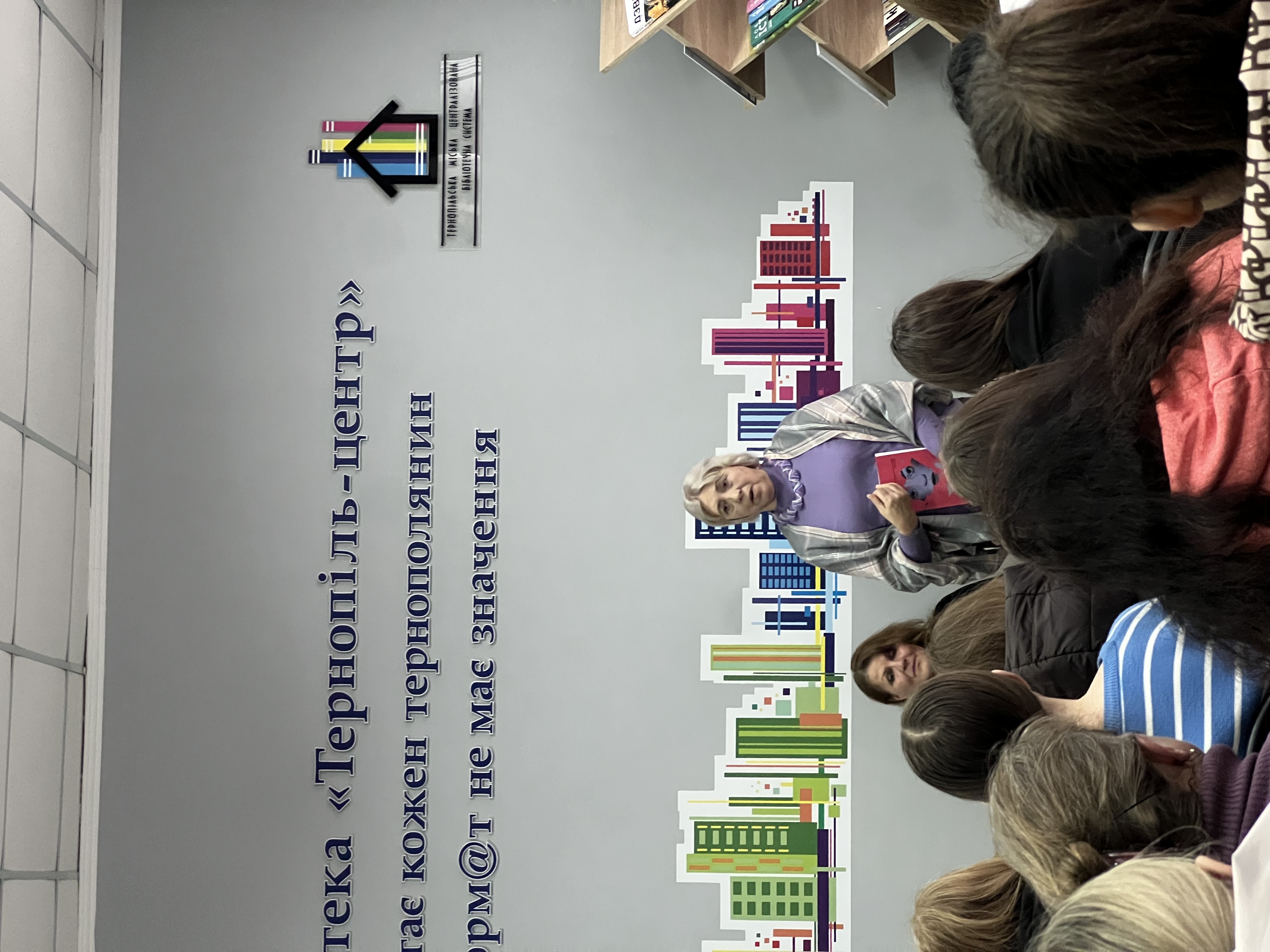
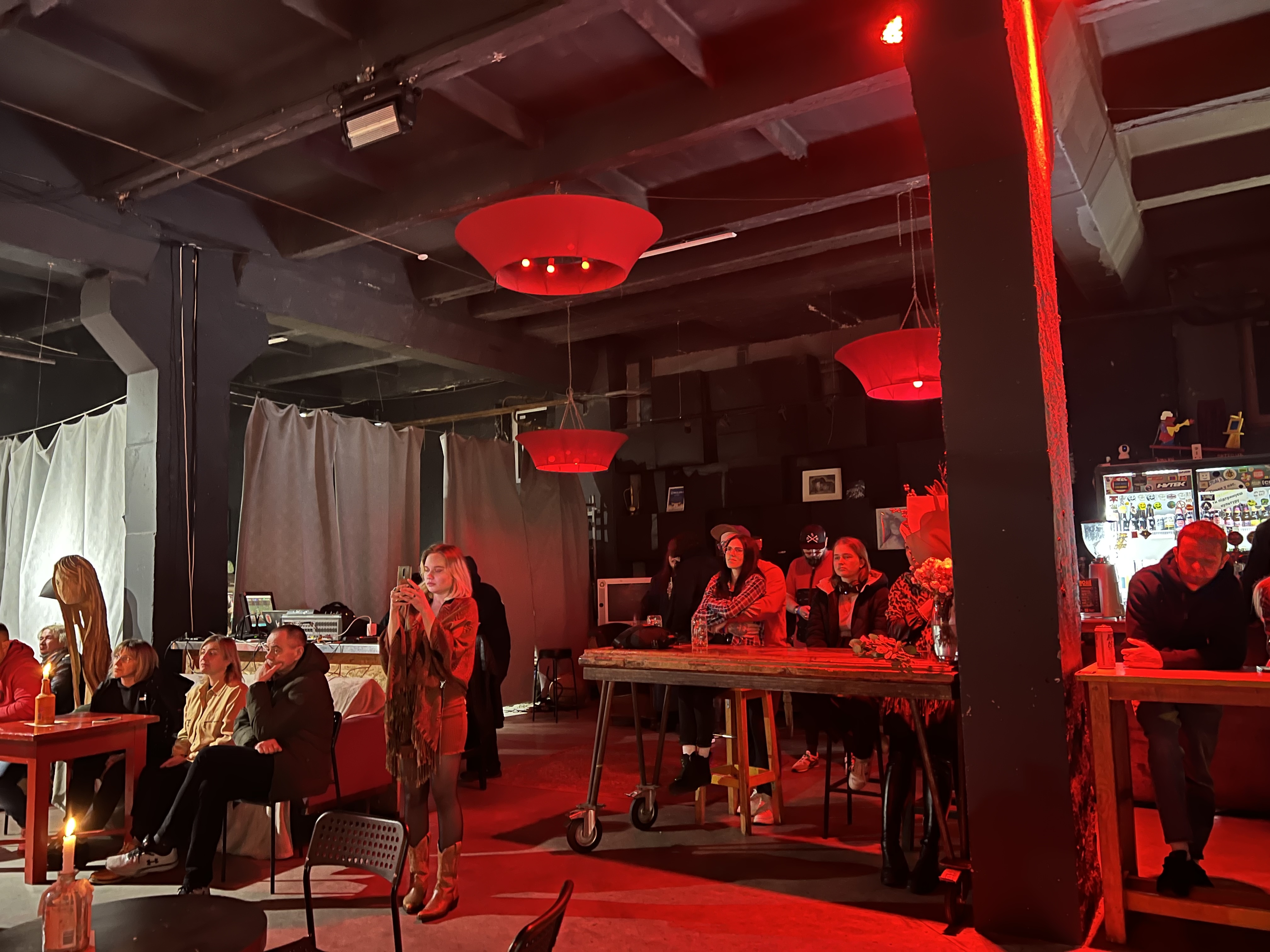
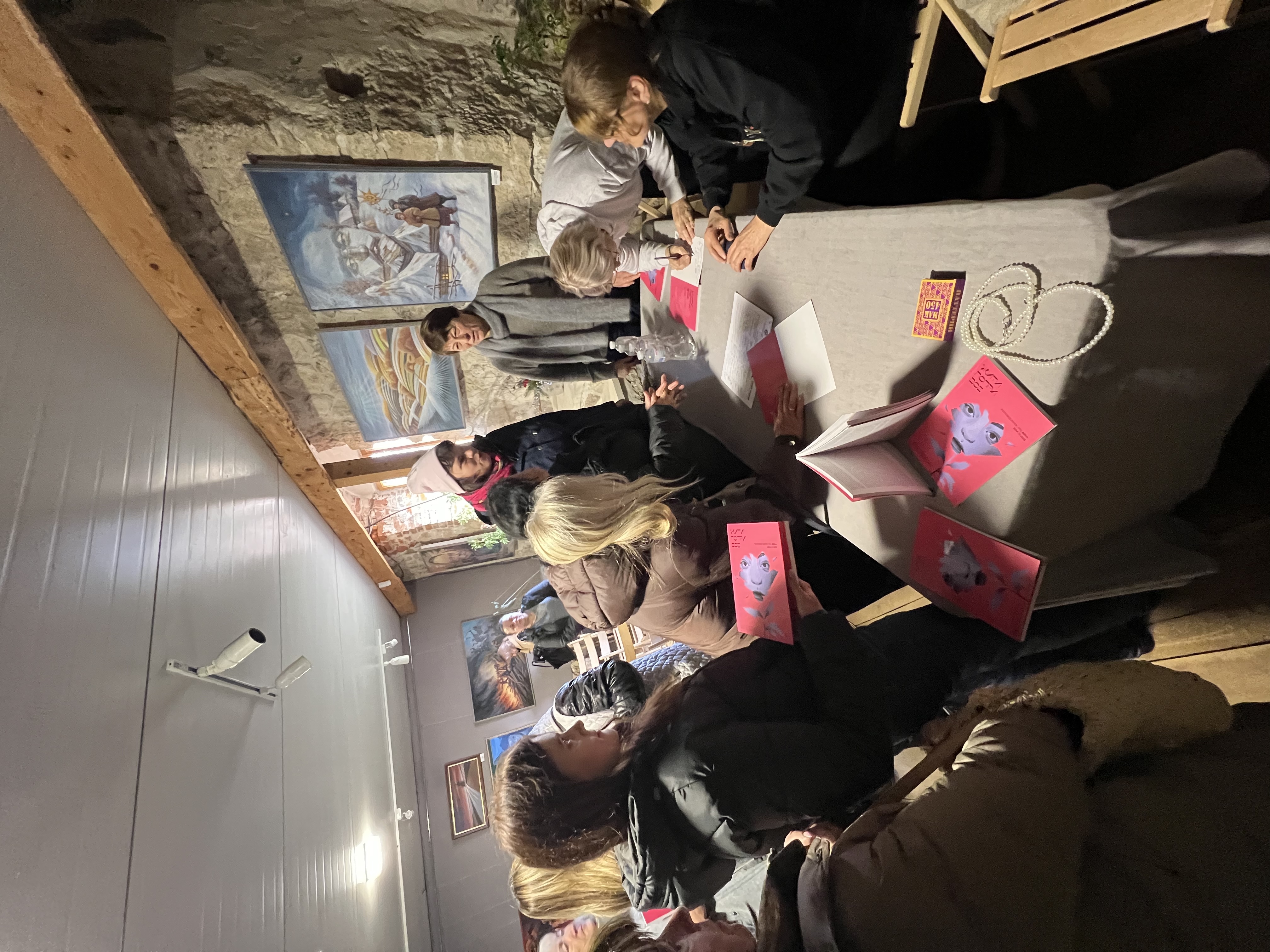
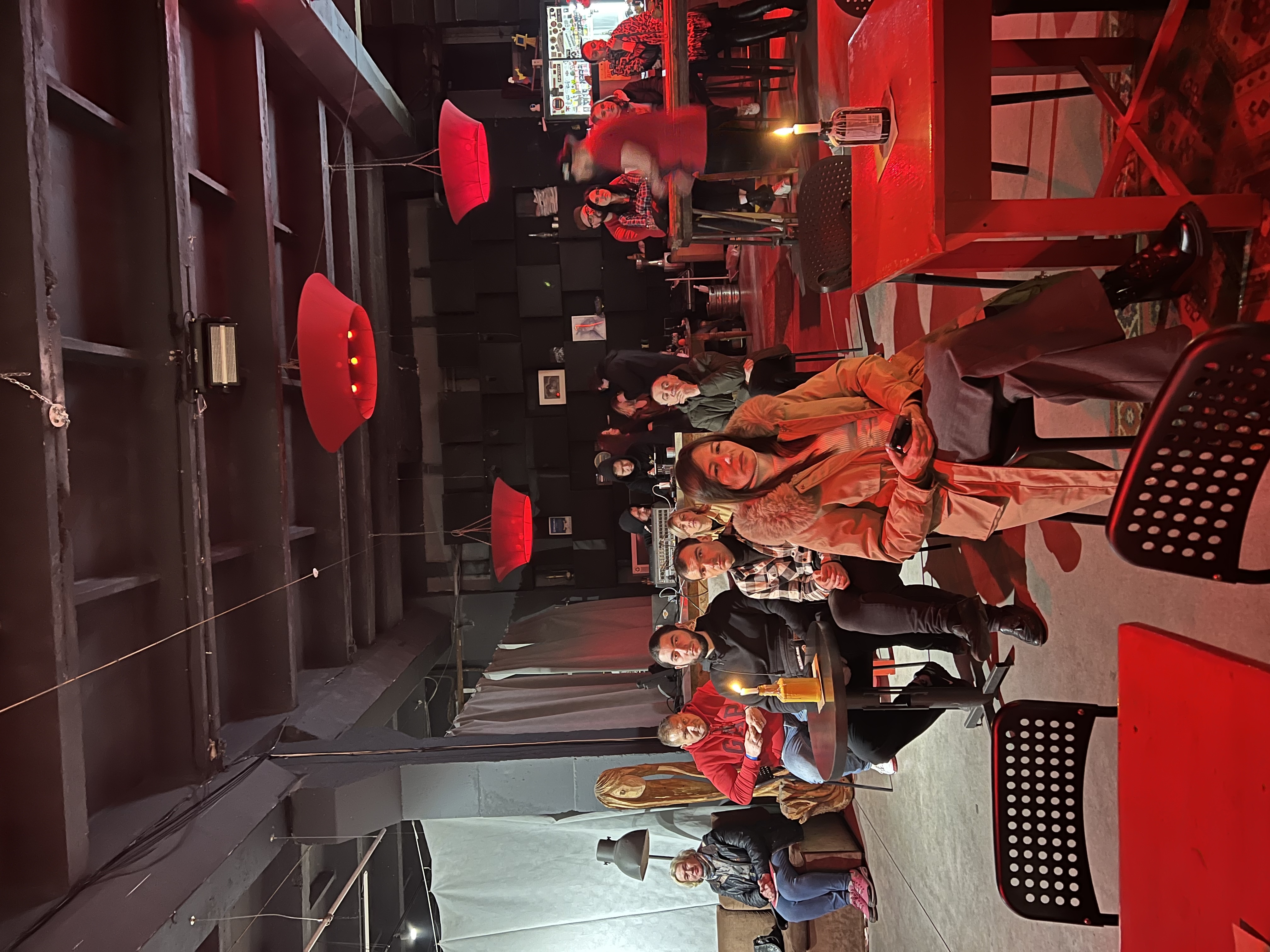
Eleven presentations in six days have been held in libraries, educational institutions, and cultural venues. Different audiences, different towns and villages across Ternopil oblast, but each time there was a similar silence after the readings. This was exactly how the presentations of the book ‘Living Against All Odds’, a documentary collection of 11 women’s stories about war, captivity, loss and inner strength, took pace.
The book was created at the initiative of the Eastern Ukrainian Centre for Civic Initiatives and aims to preserve the memories of women who have survived war crimes and to show their resilience in difficult circumstances. The women’s stories contain not only testimonies of war, but also the foundations for hope, support, and recovery from trauma.
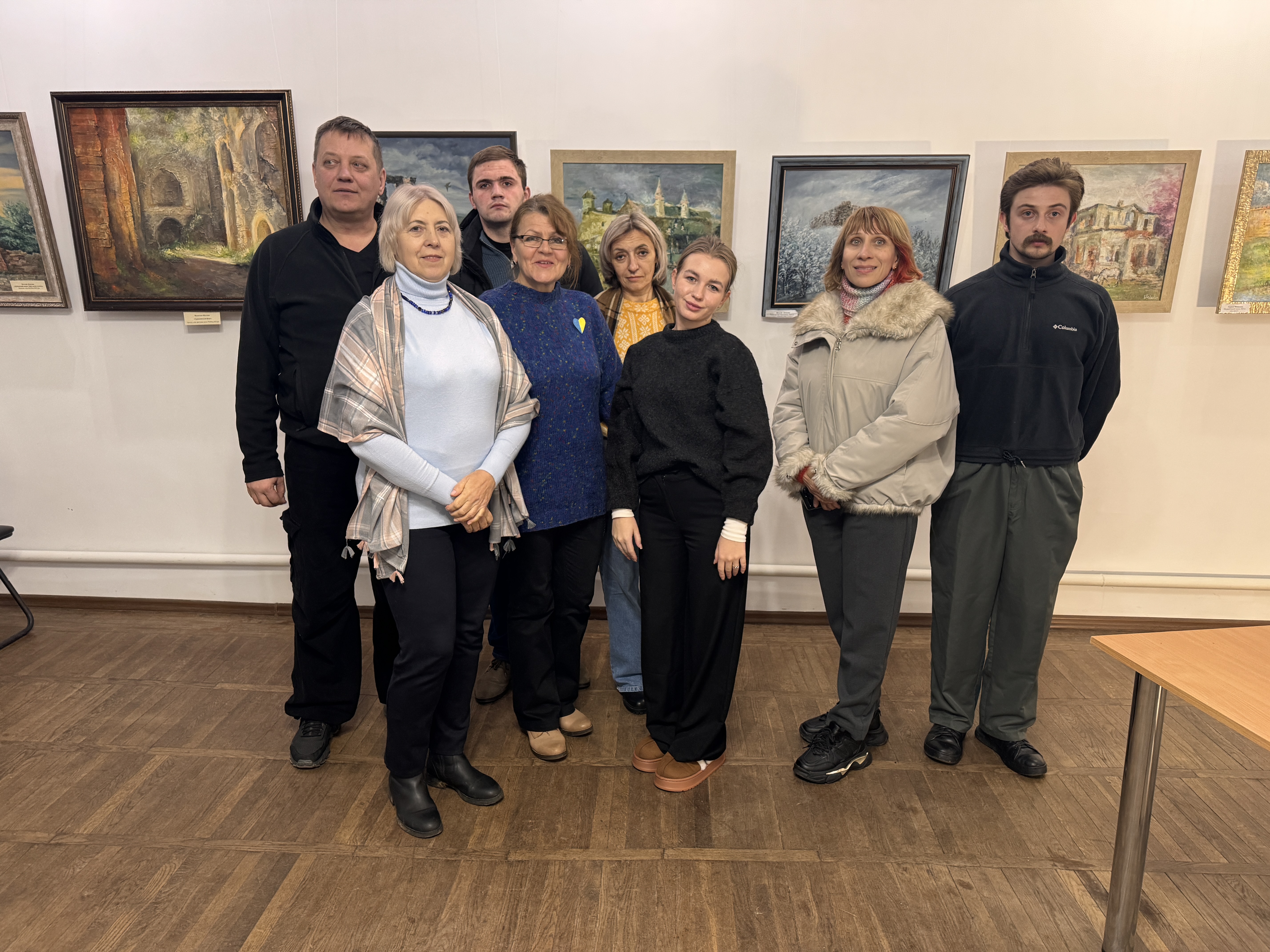
On 25–27 November, presentations took place in Kremenets, at the Kremenets Local History Museum; in the town of Vyshnivets, at the Oblast Library, at Creative & Gastronomy Cluster ‘Na Poshti’ in Ternopil; and at the State Historical and Architectural Reserve in Berezhany.
On 17–19 December, the book was presented in Chortkiv, at the Ternopil Vocational School of Catering and Trade, at the office of the NGO ‘Desantno-Kozatskyi Rii’, in the town of Lanivtsi at the Lanivtsi Branch of the State Educational Institution ‘Ternopil Vocational College with Enhanced Military Training’, and also in the village of Shliakhtyntsi.
A series of vibrant presentations in Ternopil oblast was made possible thanks to the initiative and persistent efforts of the local organiser, blogger Volodymyr Khanas.
‘This is already the eleventh meeting. We’ve got through the first ten, but each following one differs,’ Volodymyr said at the presentation.
At the meetings, the authors, Halyna Tyshchenko, Maryna Suprun, Liudmyla Bilenka, and Stalina Chubenko shared their personal experiences of the war. They talked about captivity, the loss of loved ones, prolonged fear, life under occupation, and the consequences of trauma that do not vanish after physical rescue. The authors emphasised that the book ‘Living Against All Odds’ is a collection of living testimonies, written by the women themselves, without rewriting or embellishment, as a way to record the truth about the war.
At the same time, each presentation had a recurring motif of the inner strength that helped them survive and not break down. They spoke of simple yet vital things: the support of loved ones, a circle of ‘understanding eyes’, and small daily routines that restored a sense of life even in inhuman conditions. They emphasised that the book is not only about pain, but also about the ability to hold on and support others, even when you are almost devastated.
One of the most frequent questions from the audience was: ‘What can we do, those of us who haven’t been through this?’
The answer was repeated time and again: listen, remember, do not trivialise, and share.
The authors emphasised that it was important not just to hear their stories, but to pass them on as part of the shared history of a war that is going on. The idea that ‘speaking out is also a form of resistance’ was voiced repeatedly during the meetings, directed primarily at young people and those who have not had direct experience of war and rather live in its shadow.
After the presentations, the audience asked about what remains with a person afterwards: does the fear disappear, how can one not be afraid to live when they already know what people are capable of, and do the memories return?
The answers were honest: the fear does not disappear completely. But one can learn to live with it and to talk about it.
Yet the most difficult questions were asked quietly: ‘Is it possible to forgive after this, and should we even try?’
At these moments, veterans and older audience joined the conversation.
‘This isn’t about fear. It’s about an inner weapon. About memory that doesn’t paralyse, but helps to sustain,’ they remarked.
These presentations in Ternopil oblast became not just a series of events, but a space for shared experience of pain and strength.
‘This is a very difficult book. But it is necessary since the war continues. And forgetting is dangerous,’ the organisers noted during the presentation in Shlyakhtyntsi.
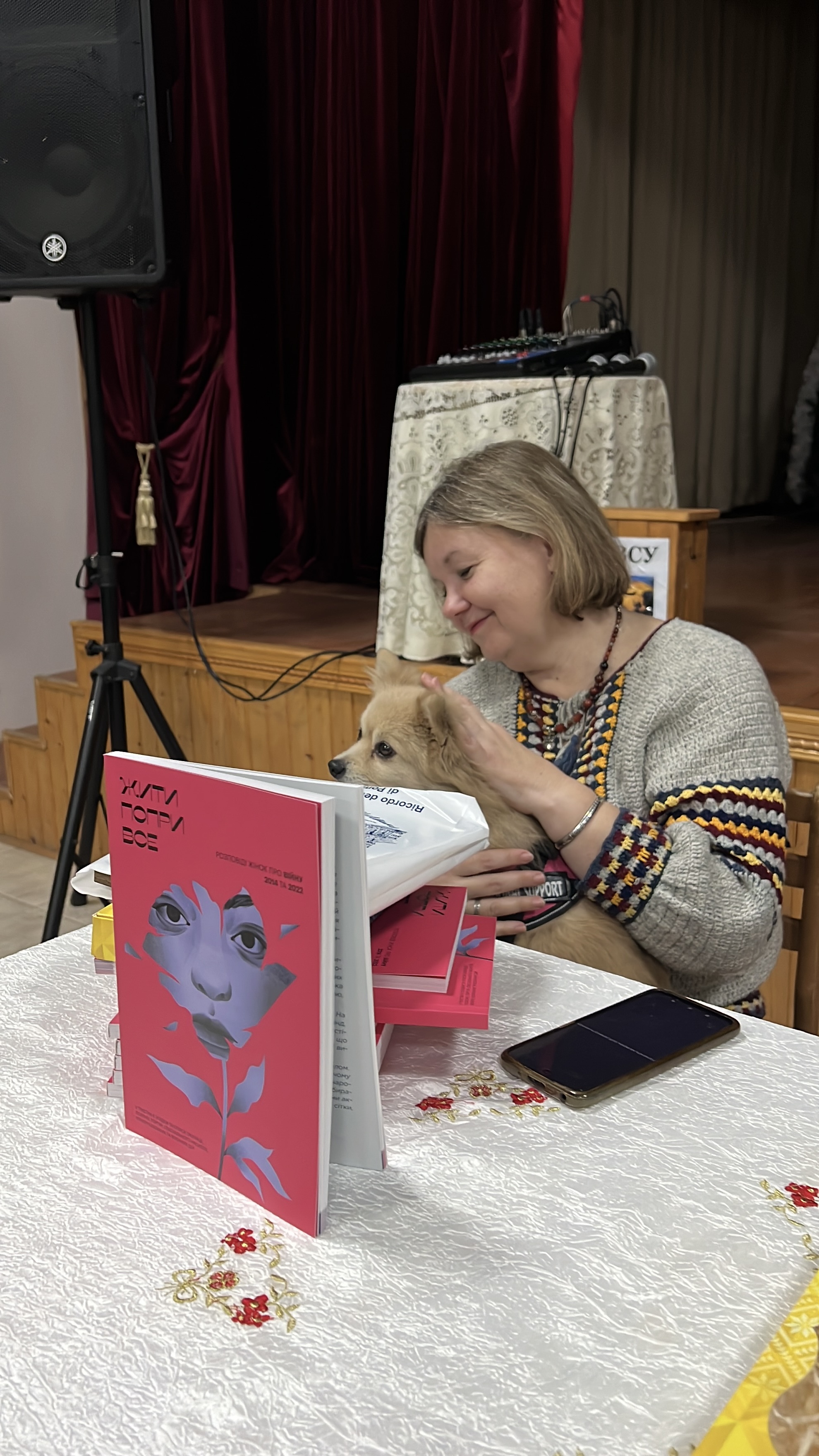


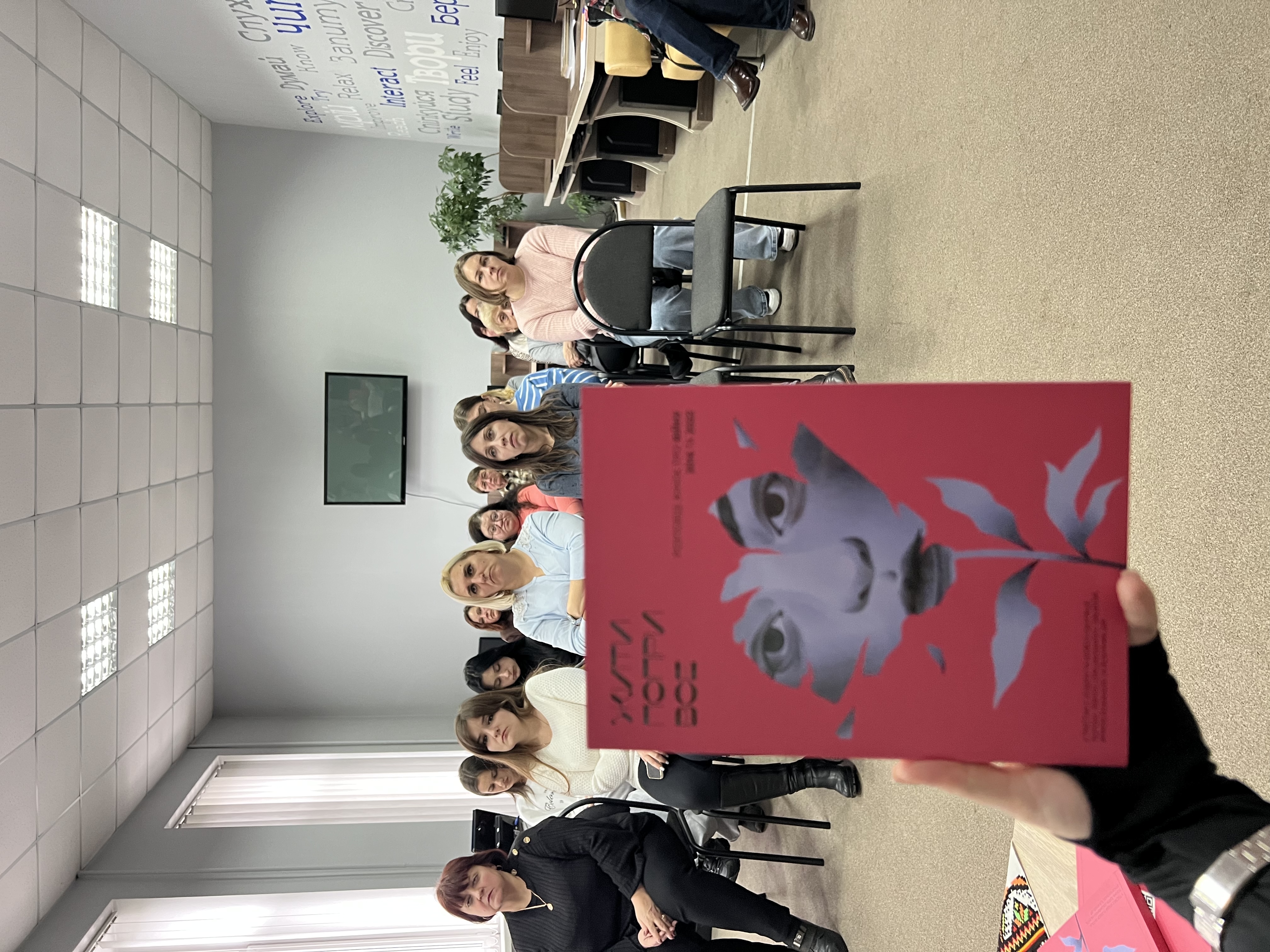
The second edition of ‘Living Against All Odds: Women’s Stories of War, 2014 and 2022’ and its further distribution were made possible by the ‘Strengthening Civil Society for the Transformation of the Culture of Memory – Non-Violent Efforts to Counter Russia’s War Against Ukraine’ Project implemented by the Eastern Ukrainian Center for Civic Initiatives with the support of Kurve Wustrow – Centre for Training and Interaction in Non-Violent Action as part of the Civil Peace Service (CPS) project.
